JoshMovies: Kannada films in English, from Bangaarada Manushya, Naagarahaavu, Pushpaka Vimana and Kasturi Nivasa to Milana, Gaalipata, Tabarana Kathe and Raajakumara, and where to watch them
237 Kannada films: the classics of Dr. Rajkumar, award winners from Kannada novels, comedies, love stories and family dramas.
Most Watched

Recent Movies



Dr. Rajkumar




From page to screen
Kannada cinema in English: the JoshMovies guide
JoshMovies: Kannada films in English, from Bangaarada Manushya, Naagarahaavu, Pushpaka Vimana and Kasturi Nivasa to Milana, Gaalipata, Tabarana Kathe and Raajakumara
Kannada is the language of Karnataka, the state of Bengaluru and Mysuru, of the coffee hills of the Western Ghats and the ruins of Hampi. Its cinema, known at home as Sandalwood after the fragrant tree of the Mysuru forests, is ninety years old and has a character of its own: fond of literature, respectful of music, attached to the land, and devoted to one actor above all others, Dr. Rajkumar. JoshMovies is an English guide to it: 237 Kannada films, each with its own page, its story in English, its year, its running time and a Watch now button that leads to the official services carrying it in your country.
The catalogue has been chosen by hand for family viewing. It gathers the classics of the black-and-white years, the novels filmed in the 1970s, the award winners of the art cinema, the comedies of Anant Nag and the bright romances and family films of the present century. Action films, crime stories and devotional films belong to other guides.
The sections below are an unhurried tour: how the site is laid out, the films of Dr. Rajkumar, the stars who followed him, the directors who filmed the great Kannada novels, the comedies, the love stories and a few plans for a first week. Each section links to a short help page, and the How to watch page sums up the simple steps from a poster to the official service.
How JoshMovies looks
JoshMovies keeps the look of the site it is named after, a small video site of 2011 built on a ready-made template for film pages. A white sheet sits in the middle of a pale grey page. At the top is a charcoal bar with the JoshMovies name in white and a row of menu links: Home, Kannada Movies, Dr. Rajkumar, Comedy, Love Stories and A-Z. Under it runs a light grey strip with the search box on the left and links to My List and Help on the right.
Below the strip the sheet divides into a wide column and a side column, each made of boxes with a dark heading bar. The first word of every heading is picked out in red, a small habit of the original template. In the wide column, a deep red box carries the title of the site; a black box headed Most Watched shows eight posters; and grey boxes headed Recent Movies, Dr. Rajkumar and From page to screen show more. Each box ends with a small More Movies button. In the side column, three boxes list the categories, the stars and the decades with the number of films beside each name, and a black box lists the help pages.
The colours are those of the original: charcoal, black, pale grey and a deep red for links and buttons. The text is set in a classic serif face, as it was in 2011, with plain headings. On a telephone the menu folds behind a button with three lines, the side column moves beneath the posters, and the posters stand two to a row.
Dr. Rajkumar
It is impossible to speak of Kannada cinema for long before coming to Rajkumar. Born Muthuraj in 1929, the son of a stage actor, he grew up in the travelling theatre companies of old Mysore, where an actor had to sing, fence, speak verse and play gods and clowns on the same night. He came to films in 1954 and made more than two hundred, every one of them in Kannada, and he sang his own songs in most of the later ones. His admirers called him Annavru, the respected elder brother; a university gave him the doctorate that became part of his name; and when he died in 2006 the whole state stopped. The Dr. Rajkumar category holds 59 of his films, and the Dr. Rajkumar help page suggests where to begin.
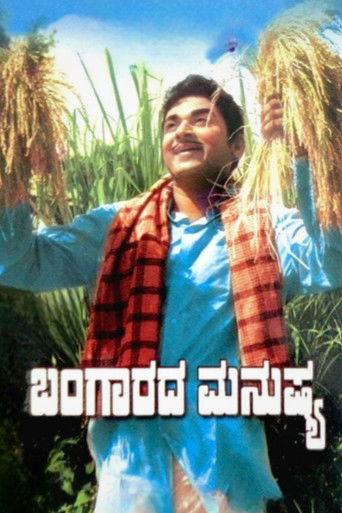
Bangaarada Manushya, from 1972, is the place to start. Rajeeva, an educated young man from the city, visits his sister's village and finds her widowed and in debt. He stays, borrows money, clears a stretch of stony, barren land and turns it into a farm, educating his nephews along the way; and when they grow up and turn on him, he walks away with empty hands. The title means the golden man. Directed by Siddalingaiah from a novel by T. K. Rama Rao, the film ran for two years in one Bengaluru cinema, and it is said to have persuaded many young men to go back to their family farms. Its songs are still sung.
Kasturi Nivasa, from 1971, is the other great favourite. Ravi Varma, the owner of a match factory, is a man who is unable to refuse anyone anything. He trains a poor employee, sets him up in business and watches as the younger man overtakes him in wealth, in the factory and in love, and still he goes on giving. The song about the toy that rights itself each time it is pushed over is known to every Kannada speaker, and the white dove on his hand in the last scene is one of the famous images of Indian film.
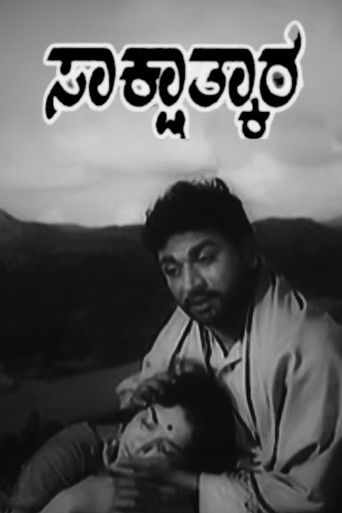
The range of the man is the astonishing thing. In Sakshathkara, from 1971, directed by Puttanna Kanagal, he is a young man whose marriage is prevented by a false horoscope, in a film that argues gently against superstition. In Naandi, from 1964, directed by N. Lakshminarayan, he is a schoolteacher whose wife is deaf, and who learns to teach deaf children; it was among the first Kannada films to be shown at festivals abroad. In Chandavalliya Thota, from the same year, a film on Gandhian themes that won the national award for the best film in Kannada, he is the son of a village family divided by a quarrel over a garden. In Sandhya Raaga, from 1966, he is a classical singer who puts his art before comfort, and the singing was provided by some of the greatest musicians of the day.
The domestic dramas of the 1960s and 1970s were made for whole families, and they remain easy to enjoy. Mayor Muthanna, from 1969, the first film directed by Siddalingaiah, follows an honest villager who is wrongly accused, leaves for the city and rises to become its mayor. Eradu Kanasu, from 1974, whose title means two dreams, is about a professor who marries the bride his family chose while still thinking of the girl he lost, and the patience of the wife who waits for him to see her. Devaru Kotta Thangi is about a brother and sister, Bhaagyavantharu, from 1977, about parents turned out by their children who build a new life through hard work, and Uyyaale, Karulina Kare, Hrudaya Sangama, Baalu Belagithu, Kula Gourava and Doorada Betta belong to the same warm tradition.
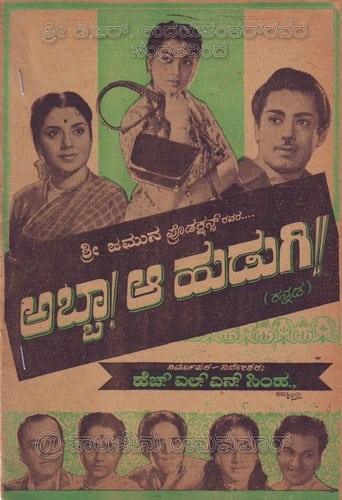
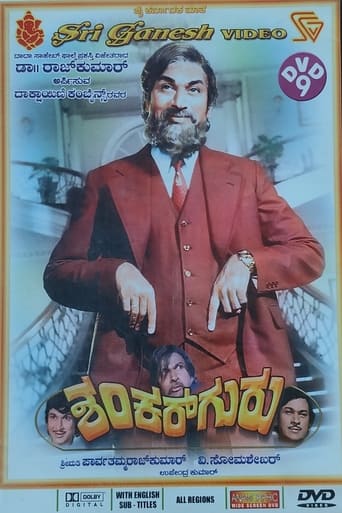
He was also a fine light comedian. Abba! Aa Hudugi, from 1959, based loosely on The Taming of the Shrew, has him among a cast of comedians faced with a young woman who has decided to dislike all men. In Emme Thammanna, from 1966, he plays both a cattleman and a lawyer who look exactly alike, and in Bhale Jodi he again plays two parts. Shankar Guru, from 1978, in which he plays a father and his two sons, was one of the great successes of the decade. Sampatthige Savaal, from 1974, based on a stage play, sets a proud village youth against a rich family, and it is remembered as the film in which he first sang for himself, in a song addressed to a buffalo. Nee Nanna Gellalare, from 1981, and Vasantha Geetha, from 1980, are comedies of courtship and marriage from his later years.
Many of these films were made with the same trusted company: the character actors K. S. Ashwath and T. N. Balakrishna, who appear in 24 films each in this catalogue, the comedian Narasimharaju, and the actresses Leelavathi, Jayanthi, Bharathi, Kalpana and Aarathi. The directing team of Dorai and Bhagavan made Kasturi Nivasa, Eradu Kanasu, Bayaludaari, Chandanada Gombe, Vasantha Geetha and Hosa Belaku, most of them from Kannada novels.
Kings, poets and legends
The theatre had trained Rajkumar for costume parts, and his historical films are the grandest in the language. The History and legend category holds 15 films, and the History and legend help page arranges them.
Ranadheera Kanteerava, from 1960, is the story of a seventeenth-century king of Mysore who was famous as a wrestler; it is regarded as the first true historical film in Kannada, and it was produced by the actors themselves as a co-operative. Immadi Pulikeshi, from 1967, portrays the Chalukya emperor who ruled the Deccan in the seventh century. Sri Krishnadevaraya, from 1970, is about the greatest emperor of Vijayanagara, whose capital at Hampi is now one of the wonders of India; B. R. Panthulu directed it and played the wise minister Timmarusu himself.
Sathya Harishchandra, from 1965, tells the old legend of the king who gave up his throne, his family and his freedom sooner than tell a lie. It was a triumph in its day, and in 2008 it became the first Kannada film to be coloured by computer and released again. Kaviratna Kalidasa, from 1983, is the legend of the Sanskrit poet Kalidasa, a simple shepherd who is tricked into marrying a learned princess and becomes the greatest poet of his age, and Rajkumar plays the shepherd with wonderful comic innocence. Hasyarathna Ramakrishna, with Anant Nag, is about Tenali Ramakrishna, the witty court poet of Vijayanagara.
Two films about musicians belong here as well. Sanaadi Appanna, from 1977, is based on the life of a player of the shehnai, the reed instrument heard at every Indian wedding; the playing on the soundtrack is by Bismillah Khan, the greatest master of the instrument, who came south for the purpose. Hamsageethe, from 1975, directed by G. V. Iyer, with Anant Nag, follows a classical singer of the eighteenth century through his training, his pride and his final refusal to sing for a conqueror. Among modern lives, Vijayanand, from 2022, tells how a young man from Gadag with one lorry built one of the largest transport companies in India.
The classic stars
The Classic stars category holds 73 films with the actors who shared the screen with Rajkumar or followed him, and the Classic stars help page introduces them.
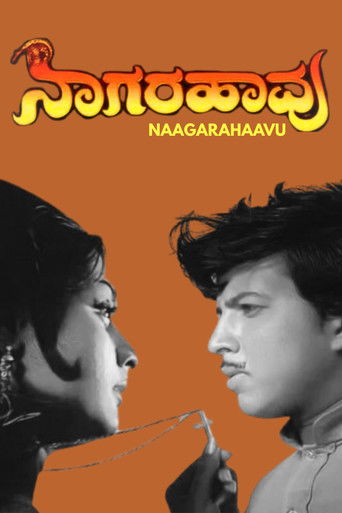
Vishnuvardhan became a star overnight with Naagarahaavu, in 1972. Directed by Puttanna Kanagal from three novels by T. R. Subba Rao, it is set in the old fort town of Chitradurga and tells of Ramachari, a hot-tempered student whom nobody can manage except his old schoolteacher, Chamayya. The title means the cobra. The affection between the stubborn boy and the patient teacher is the heart of the film, and it made the names of Vishnuvardhan and of Ambareesh, who appears in a small part. Vishnuvardhan has 23 films here: Boothayyana Maga Ayyu, the comedies with Dwarakish, and the family films of his later years, Yajamana, from 2000, in which he plays an elder brother who gives up everything for his younger brothers, Suryavamsha, in which he plays both a stern father and his devoted son, Ee Bandhana, with Jaya Prada, about an elderly couple and their grown-up children, and Maathaad Maathaadu Mallige, from 2007, about a flower farmer who stands up for his village.
Anant Nag, with 21 films, is the most versatile actor in Kannada, at home in art films and farces alike. After Hamsageethe he made Bayaludaari and Chandanada Gombe, two popular romances with Lakshmi, and in the 1980s and 1990s a series of comedies that are still repeated on television. In recent years he has played fathers and grandfathers with great charm, in Gaalipata, Pancharangi, Raajakumara and Yaanaa. His younger brother, Shankar Nag, drives a rickshaw in Auto Raja, from 1980, a film so popular that rickshaw drivers across Karnataka still carry his picture, and he directed and starred in Nodi Swamy Navirodu Heege, from 1983, a gentle comedy about a happy-go-lucky man called Mysore Matha and his neighbours.
Dwarakish, a small man with enormous energy, was a comedian and one of the boldest producers in the industry. He produced Mayor Muthanna, and with Vishnuvardhan he made Kalla Kulla, from 1975, and Kittu Puttu, from 1977, comedies about a tall hero and his short friend. Preethi Madu Thamashe Nodu, from 1979, in which a poor young man pretends to be rich to impress a girl, shows him with Srinath and Shankar Nag. Srinath, the gentle hero of Shubhamangala and Mugila Mallige, and Lokesh, of Boothayyana Maga Ayyu and Banker Margayya, complete the generation.
Ravichandran changed the look of Kannada films in 1987 with Premaloka, which he directed and starred in with Juhi Chawla. It is a college love story told almost entirely through songs, eleven of them, by the composer Hamsalekha, and its cassettes sold in numbers that were new to Karnataka. Ramesh Aravind, the thoughtful hero of the 1990s, appears in America America, from 1995, about three friends and the pull of a life abroad, and in Nammoora Mandara Hoove, from 1997, with Shivarajkumar and Prema, a love triangle set among the waterfalls of the north Kanara coast, with music by Ilaiyaraaja.
The new generation
The The new generation category holds 53 films with the stars of the present century, and the The new generation help page follows them.
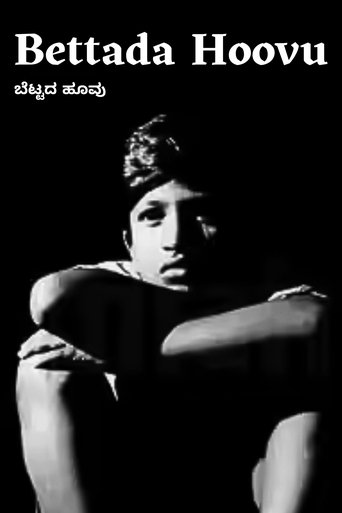
Puneeth Rajkumar, the youngest son of Dr. Rajkumar, was a film star from the age of five. As a child he appears in Bhagyavantha, from 1981, as a boy thought to bring bad luck, in Hosa Belaku beside his father, and in Bettada Hoovu, from 1985, which won him the national award for the best child actor. In that film, directed by N. Lakshminarayan from an American children's novel, Ramu, a poor boy of the hills, collects wild flowers to sell so that he can buy a copy of the Ramayana, and in the end must choose between the book and a blanket for his family.
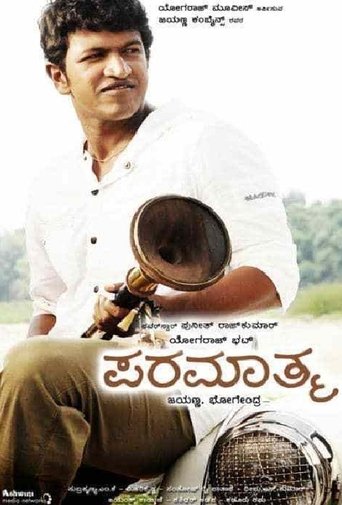
He returned as a leading man in 2002, and Abhi, from 2003, about neighbours in love whose families disagree, was among his first successes. Ajay, Arasu and Milana followed. In Arasu, from 2007, a spoilt young millionaire sets out to live on a small monthly wage to prove his worth to the woman he loves. Milana, from the same year, is about a husband and wife who agree to part on their wedding night and become friends while they wait for the divorce; it ran for more than a year in Bengaluru. Raam, Raaj, in which he plays a village boy who dreams of becoming an actor, Paramathma and Ninnindale, set in New York, show his ease in comedy and dance. Raajakumara, from 2017, about a young man who returns from Australia and takes charge of a home for the elderly, became the most successful Kannada film of its time, and its title song, which looks back at his father, is deeply loved. In Mythri, from 2015, he plays himself, as the host of a quiz programme that changes a boy's life, with the Malayalam star Mohanlal as a scientist. He died in 2021, at 46, and Lucky Man, released the next year, in which he appears as God offering a quarrelsome husband a second chance, was among his last appearances.
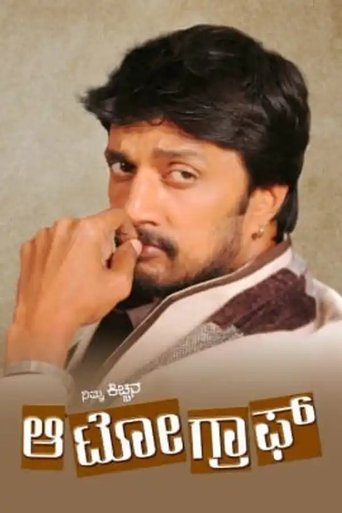
Ganesh, known as the Golden Star, has eleven films here. In Gaalipata, from 2008, he is the talkative leader of three friends on holiday in the hills; in Mugulu Nage, from 2017, he is a man who has smiled since the day he was born and has yet to shed a tear; and Mungaru Male 2, Orange, 99, Geetha, Gaalipata 2 and Krishnam Pranaya Sakhi, from 2024, are romances in the same cheerful manner. Sudeep, who is also a director, made My Autograph in 2006, about a man who travels to invite the women he once loved to his wedding, and stars in Mussanjemaathu, as a radio presenter who listens to the troubles of his callers, Just Maath Maathalli, as a singer on a journey to Singapore, and Swaathi Mutthu, as an innocent villager. In Ambi Ning Vayassaytho, from 2018, he plays the younger self of Ambareesh, in the veteran star's last leading role, as a man of 65 who runs away from his family to look for his first love.
Shivarajkumar, the eldest son of Dr. Rajkumar, stars in Janumada Jodi, from 1996, a village love story that ran for more than a year, and in Aryan, as an athletics coach. Among the younger actors are Diganth in Katheyondu Shuruvagide, from 2018, about the owner of a seaside resort and a guest who arrives alone for her honeymoon; Rakshit Shetty in Vaastu Prakaara; Dhananjay in Rathnan Prapancha, from 2021, about an insurance agent who learns he was adopted and travels across India to find his family; Raj B. Shetty in Gubbi Mele Brahmastra; and Rishi in Sarvajanikarige Suvarnavakaasha.
Leading ladies
The Leading ladies category holds 93 films, and the Leading ladies help page introduces the actresses. Jayanthi, who appears in 16 films, was known as the goddess of acting; she partnered Rajkumar in some forty films, among them Chandavalliya Thota, Kasturi Nivasa and Paropakari. Leelavathi, with 12, moved from heroines to mothers with equal grace. Bharathi, who later married Vishnuvardhan, has 12, among them Mayor Muthanna, Hasiru Thorana and Sri Krishnadevaraya.
Kalpana, with ten films, was the great dramatic actress of the 1960s and 1970s, the favourite of Puttanna Kanagal, and she is seen here in Eradu Kanasu, Uyyaale, Naandi and Hannele Chiguridaga, from 1968, a family drama from a novel by Triveni about an old-fashioned father and his widowed daughter. Aarathi, with 12, is the heroine of Naagarahaavu, Upasane, Shubhamangala and Bangaarada Manushya, and Lakshmi, with 19, worked in four languages and is at her best in Chandanada Gombe, Naa Ninna Mareyalare and Olavu Geluvu.
Among the actresses of this century, Ramya, credited as Divya Spandana, stars in Gowramma, Arasu, Mussanjemaathu, Just Maath Maathalli and Lucky; Radhika Pandit in Moggina Manasu, from 2008, a tender film about four girls in their first year at college, and Krishnan Love Story; and Parvathy, Pooja Gandhi and Priya Anand appear beside Puneeth Rajkumar.
From page to screen
Kannada has one of the richest modern literatures in India, and its cinema has leaned on it more than most. In the 1970s a generation of writers, playwrights and directors made a series of quiet, truthful films that won national awards year after year, and popular directors turned best-selling novels into hits. The From page to screen category holds 45 films, and the From page to screen help page arranges them.
Puttanna Kanagal, who has eight films here, was the great popular artist among them. He chose novels by women writers and by the historical novelist T. R. Subba Rao, cast new faces, shot in real towns and drew performances that are still studied. Naagarahaavu is his best-known film. Upasane, from 1974, follows Sharada, a girl with a gift for classical music, from her first lessons to the concert stage, and asks what such a gift costs a woman. Shubhamangala, from 1975, is a love story between a proud young woman who has lost her father and the cousin who shelters her. College Ranga is a campus satire, Paduvaaralli Pandavaru, from 1978, is about five young men who stand up to a village landlord, and Karulina Kare and Kappu Bilupu, in which Kalpana plays twin sisters, one bold and one timid, are from his early years.
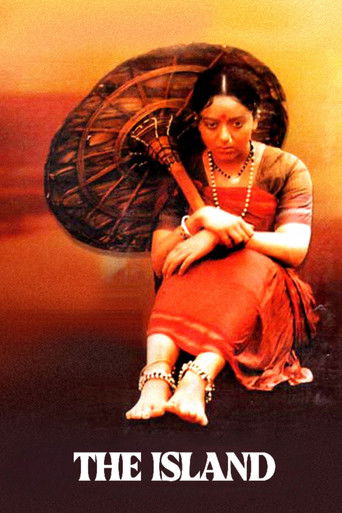
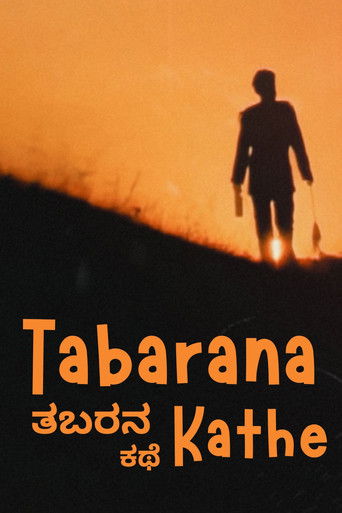
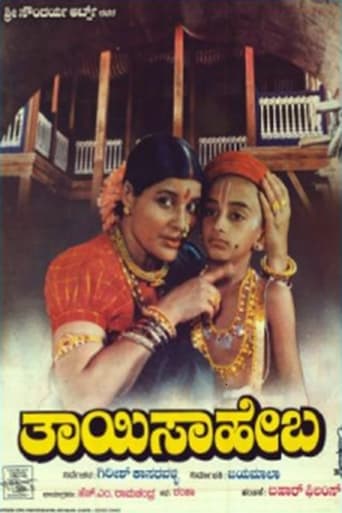
Girish Kasaravalli is the leading figure of the art cinema, and four of his films are here. Tabarana Kathe, from 1986, from a story by Poornachandra Tejaswi, follows Tabara Shetty, a humble government watchman who retires after a lifetime of loyal service and then spends years going from office to office to obtain the pension he is owed. Charuhasan won the national award for best actor, and the film won the award for the best film in India. Mane, from 1989, with Naseeruddin Shah and Deepti Naval, is about a young couple who move to the city and find that their new home stands beside a noisy workshop. Thayi Saheba, from 1997, with Jayamala, follows the mistress of a great house through the years before and after independence, and The Island, from 2002, with Soundarya, is about a family who refuse to leave their island home as the waters of a new dam rise around it. Both also won the award for the best film in India.
T. S. Nagabharana moves between the art film and the popular film, and five of his are here. Banker Margayya, from 1983, is taken from The Financial Expert by R. K. Narayan, the story of a small-town moneylender who rises to great wealth. Mysooru Mallige, from 1991, is built around the love poems of K. S. Narasimhaswamy, which every Kannada reader knows. Chinnari Mutha, from 1993, is a children's film about an orphan boy who runs away to the city and becomes a champion runner, and Janumada Jodi was his greatest popular success.
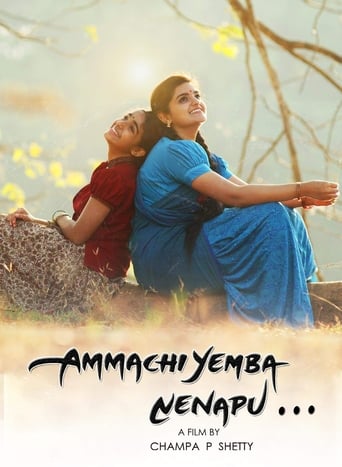
Among the others, Tabbaliyu Neenade Magane, from 1977, directed by Girish Karnad and B. V. Karanth from a novel by S. L. Bhyrappa, sets a village that reveres its cattle against a son who returns from America with an American wife and new ideas about farming. Boothayyana Maga Ayyu, from 1974, from a story by Gorur Ramaswamy Iyengar, is about the son of a hated landlord and the villager who has sworn to oppose him, and how a flood makes them friends. Abachurina Post Office, from 1973, concerns a village postman who reads and writes letters for his neighbours, and the trouble that follows when he opens one he should have left closed. Bettada Jeeva, from 2011, from a novel by Shivarama Karanth, is set in the forests of the Western Ghats in the 1940s, where a young man who has lost his way is taken in by an old couple who have been waiting for years for their own son to come home. More recent are Ammachi Yemba Nenapu, from 2018, drawn from three stories by the writer Vaidehi about women of the coast, and Malgudi Days, from 2020, in which an elderly author returns to the town of his boyhood.
N. Lakshminarayan, who made Naandi, Uyyaale, Abachurina Post Office and Bettada Hoovu, deserves a special mention: he worked slowly, chose unusual subjects and left hardly a weak film behind him.
Comedy
The Comedy category holds 61 films, and the Comedy help page picks a handful.
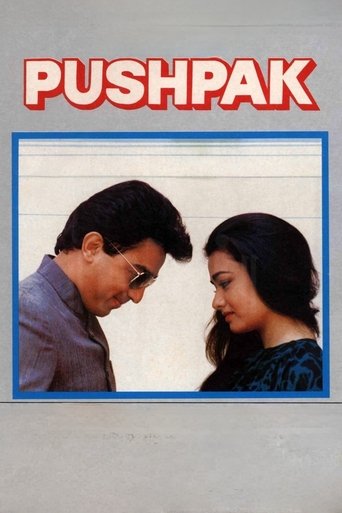
Pushpaka Vimana, from 1987, is the most famous comedy made in Karnataka, and it has neither a word of dialogue nor a subtitle. Directed by Singeetam Srinivasa Rao, with Kamal Haasan, it follows an unemployed graduate who lives in a shabby lodging house beside a luxury hotel. One evening he finds a rich man asleep in the street with the key to a hotel suite in his pocket, and he decides to borrow the rich man's life for a few days. Everything is told through action, sound and music: a magician's daughter across the courtyard, a mysterious stranger with daggers made of ice, a beggar with a secret fortune. It can be watched by anyone, in any country, and it is as fresh as the day it was made.
Anant Nag and the director Phani Ramachandra made a group of middle-class comedies that are part of Bengaluru folklore. In Ganeshana Maduve, from 1990, Ganesha, a bachelor in a crowded compound of tenants, falls in love with the voice of a singer he has yet to meet, while quarrelling daily with the landlord's daughter. In Gauri Ganesha, from 1991, a clever idler discovers that a dead woman's diary names three men, and presents each of them with the same small boy. Beladingala Baale, from 1995, directed by Sunil Kumar Desai, is a romantic mystery: a chess grandmaster receives telephone calls from an admirer who sets him puzzles and whose face the audience is denied to the very end.
The comedian Jaggesh, a master of the expressive face, plays a believer in lucky house plans in Vaastu Prakaara, a driver's lonely employer in Premier Padmini, from 2019, and a cook of forty in search of a bride in Raghavendra Stores, from 2023. Sharan stars in Adhyaksha and Victory 2, and Sadhu Kokila, the busiest comic actor of the present day, appears in 12 films in this catalogue, usually as a friend, an uncle or a bewildered official.
The newer comedies are small, clever and close to daily life. French Biriyani, from 2020, puts a French visitor into the rickshaw of a Bengaluru driver, played by Danish Sait, for three eventful days. 1st Rank Raju, from 2015, is about a boy who has always come first in class and knows little else. Raju Kannada Medium, from 2018, follows a village boy educated in Kannada who must make his way in an English-speaking city. Bheemasena Nalamaharaja, from 2020, is a story told through cooking; Sankashta Kara Ganapathi is about a cartoonist whose left hand has a will of its own; Ikkat shuts a couple on the edge of divorce into their flat during the lockdown of 2020; and Man of the Match turns an audition for a film into the film itself. Koli Taal, from 2021, is the gentlest of all: an old couple in the hills plan a chicken curry for their grandson's visit, and the chicken disappears.
Thirupathi Express, College Kumar, about a clerk who goes back to college to show his son how it is done, Bill Gates, Lakshadheeshwara, from 1968, about a villager who wins a lottery, and Hollywood, from 2002, in which Upendra plays a scientist, his robot double and a third part besides, round off the shelf.
Love stories
The Love stories category holds 89 films, and the Love stories help page suggests where to start.
Yogaraj Bhat, a poet as much as a director, has seven films here, and his style is easy to recognise: talkative heroes, rain, hills, songs with witty words and a streak of philosophy. Gaalipata, whose title means the kite, sends three friends from the city to a hill town, where each falls in love and an old hunter in a wheelchair, played by Anant Nag, pursues a wild boar. Pancharangi, from 2010, takes a family to a village on the coast to meet a bride for the elder son, while the younger one questions everything he sees. Paramathma, Mugulu Nage, Dana Kayonu, about a cowherd, his bull and the girl next door, and Gaalipata 2 continue in the same spirit, and Mugil Pete, by another hand, borrows the name of the hill town.
Shashank is the other dependable name, with Moggina Manasu, Krishnan Love Story, Krishna Leela, Mungaru Male 2 and Kousalya Supraja Rama, from 2023, about a young man raised to believe that men must rule the house, and the women who teach him better. Ananthu v/s Nusrath, from 2018, with Vinay Rajkumar, a grandson of Dr. Rajkumar, is about a lawyer from an orthodox family who falls in love with a judge. Kiss, Addhuri, Ullasa Uthsaha, Charminar, Ishtakamya, Ellidde Illi Tanaka, Seetharama Kalyana and Ondu Sarala Prema Kathe, from 2024, about a young composer in search of the voice he hears in his head, are popular romances of the past fifteen years.
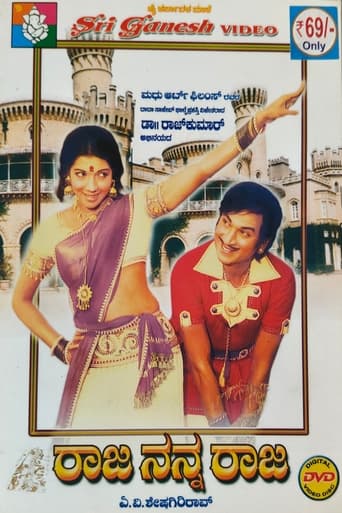
The older love stories move at a gentler pace. Bayaludaari, from 1976, with Anant Nag and Kalpana, is set among the coffee estates and takes to the air in a helicopter, a novelty then. Chandanada Gombe, from 1979, is about a village girl who marries into a landlord's family; Naa Ninna Mareyalare, from 1976, has Rajkumar as a motorcycle racer who loses the woman he loves to her mother's ambitions; Raja Nanna Raja plays with the idea of lovers reborn; and Malli Maduve, Kanyarathna, Swayamvara and Paropakari are from the black-and-white and early colour years.
Family films
The Family category is the largest, with 133 films, since the family is the subject Kannada cinema returns to most often, and the Family films help page picks a few to begin with.
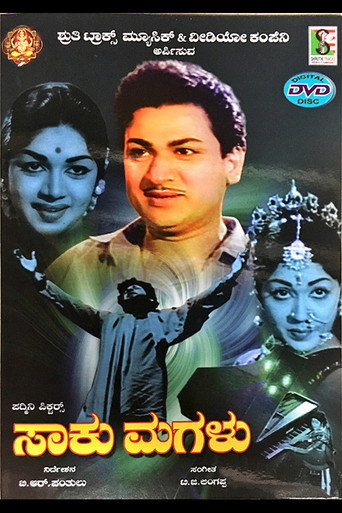
The films of B. R. Panthulu set the pattern in the 1960s. Saaku Magalu, from 1963, is about an adopted daughter; Dudde Doddappa, from 1966, whose title means money is the master, follows a household spoilt by sudden wealth; and Namma Makkalu, from 1969, whose title means our children, argues for sending every child to school. Anna Thangi, from 1958, about a brother and sister left alone in the world, Rayara Sose, from 1957, which spoke against the dowry system, Sodari, Prathigne, Lagnapathrike and Maduve Madi Nodu, from 1965, a comedy about the cost of marrying off a daughter, are from the same years.
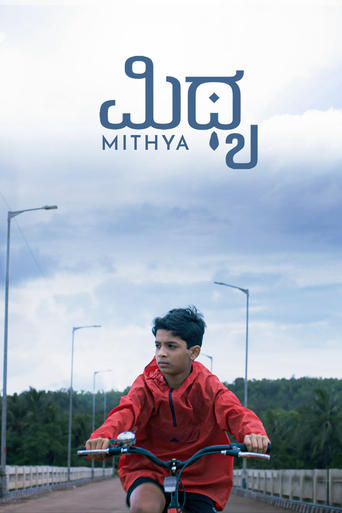
For younger viewers there is a small, good shelf. Simhada Mari Sainya, from 1981, directed by S. V. Rajendra Singh Babu, sends five children to rescue a kidnapped friend, and its title means the army of lion cubs. Nagarahole, from 1977, by the same director, takes a schoolteacher and a group of children into a wildlife park in the south of the state. Ganda Bherunda, from 1984, is a treasure hunt that begins with an ancient scroll. Bettada Hoovu and Chinnari Mutha have been described above, and Mithya, from 2025, a much praised first film, follows an eleven-year-old boy as he settles into a new home with his aunt and uncle.
Recent family films include Raajakumara; Fourwalls, about a father who has raised four children with great care and now watches them leave; Bangara s/o Bangarada Manushya, from 2017, with Shivarajkumar, which looks back to the farming ideals of the 1972 classic; Amma I Love You, about a rich man who gives up his comforts for the sake of his mother's health; Parapancha; Akira; and Murphy, from 2024, a romance that reaches across the years by way of an old radio.
Village stories
The Village stories category holds 31 films, and the Village stories help page maps them. Karnataka is a state of several landscapes: the dry plains of the north, the old kingdom of Mysore in the south, the coast, and between them the green wall of the Western Ghats, known in Kannada as Malenadu, the land of rain.
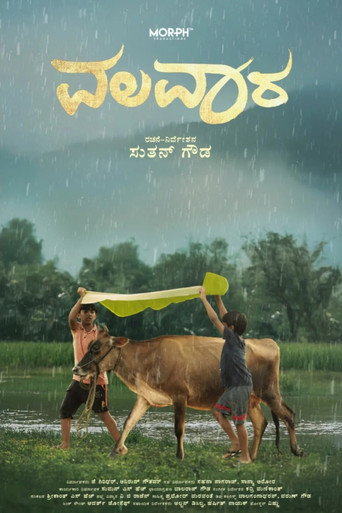
Bangaarada Manushya and Boothayyana Maga Ayyu are the classics of the farming village, and Mannina Maga, from 1968, whose title means son of the soil, belongs with them. The hills are the setting of Bettada Jeeva, Gaalipata and Valavaara, from 2025, about a quiet boy in a farming family near Sakleshpur and the calf he is trusted to look after. Hombanna, from 2017, concerns forest farmers whose right to their land is questioned. The coast, with its own dialects and customs, appears in Pancharangi, Koli Taal and Pilibail Yamunakka, a comedy in Tulu, the language of Mangaluru.
The short film Sunflowers Were the First Ones to Know..., from 2023, made by a student, retells a folk tale in which an old woman steals the village rooster and the sun declines to rise; it won the first prize for student films at Cannes. Guru Shishyaru, from 2022, with Sharan, is set in the 1990s and follows a sports teacher who trains a team of village boys in kho kho, a traditional game of chase. Bengaluru 560023 brings the same enthusiasm to street cricket in the city, and Naanu Mattu Varalakshmi to motorcycle racing.
Music and song
The Music and song category holds 38 films, and the Music and song help page describes them. Karnataka gives its name to Carnatic music, the classical tradition of southern India, and musicians are frequent heroes in its films.
Sandhya Raaga, Hamsageethe, Upasane and Sanaadi Appanna are the four great films about classical musicians, and each has a soundtrack performed by masters. Popular music has its films too. Orchestra Mysuru, from 2023, follows a young man of Mysuru who dreams of singing with the bands that play at weddings and festivals; A 2nd Hand Lover is about a would-be rock star in Bengaluru; and Just Maath Maathalli and Ondu Sarala Prema Kathe have singers and composers for heroes.
Songs matter in every Kannada film. The playback singer P. B. Srinivas was the voice of Rajkumar for twenty years, until the star began to sing for himself in 1974, and S. Janaki, P. Susheela and Vani Jairam sang for the heroines. The composers G. K. Venkatesh, Vijaya Bhaskar, who wrote the music for most of Puttanna Kanagal's films, the brothers Rajan and Nagendra, and M. Ranga Rao gave the 1970s its sound; Hamsalekha ruled the 1990s after Premaloka; and V. Harikrishna and Arjun Janya have written the hits of the present century. Many films also set to music the verses of the great Kannada poets, Kuvempu, Bendre and K. S. Narasimhaswamy among them.
Decade by decade
Six categories arrange the catalogue by date, and the Decade by decade help page describes them. The Before 1970 category holds 30 films, from Sodari, of 1955, Rayara Sose and Abba! Aa Hudugi to Ranadheera Kanteerava, Naandi, Sandhya Raaga and Mayor Muthanna. Most are in black and white, and most star Rajkumar.
The The 1970s category holds 51 films, the golden decade: Kasturi Nivasa, Sakshathkara, Bangaarada Manushya, Naagarahaavu, Boothayyana Maga Ayyu, Eradu Kanasu, Hamsageethe, Sanaadi Appanna and Shankar Guru. The The 1980s and 1990s category holds 37: Bhagyavantha, Kaviratna Kalidasa, Bettada Hoovu, Tabarana Kathe, Pushpaka Vimana, Premaloka, Ganeshana Maduve, Janumada Jodi and Nammoora Mandara Hoove.
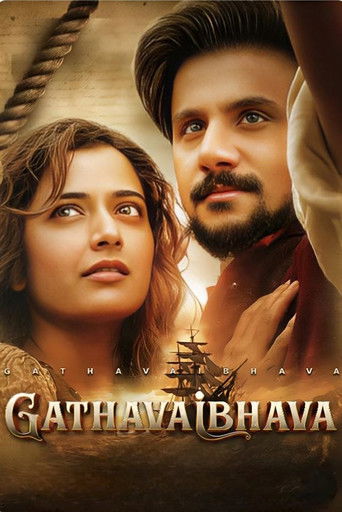
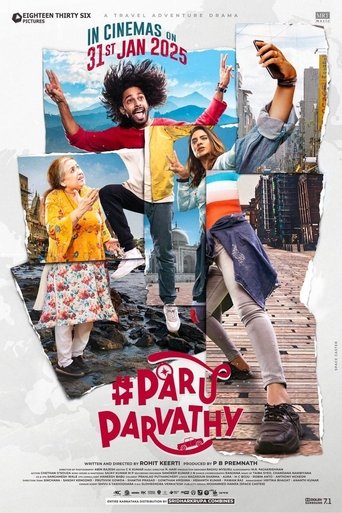
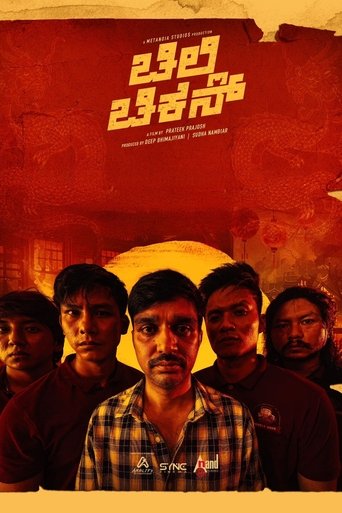
The The 2000s category holds 21 films, among them Yajamana, The Island, My Autograph, Milana and Gaalipata. The The 2010s category is the largest, with 62: Pancharangi, Bettada Jeeva, 1st Rank Raju, Raajakumara, Katheyondu Shuruvagide and Premier Padmini. The The 2020s category holds 36, from French Biriyani and Rathnan Prapancha to Raghavendra Stores, Chilli Chicken, about five young men from the north-east of India who work in a Bengaluru restaurant, Paru Parvathy, a road film, Gatha Vaibhava and Valavaara.
The Top rated category gathers the 62 films with the highest ratings from viewers around the world. Kannada films are rated by a modest number of people outside Karnataka, so many of the figures rest on a handful of votes; the Most Watched box on the home page is a useful second guide.
A few words of Kannada
Titles become friendlier with a little vocabulary. Mane is a house, as in Mane and Mane Aliya, the son-in-law who lives with his wife's family; maduve is a wedding, as in Ganeshana Maduve, Ganesha's wedding, and Eradane Maduve, the second wedding. Maga is a son and magalu a daughter, as in Saaku Magalu, the adopted daughter; anna is an elder brother and thangi a younger sister, as in Anna Thangi; and makkalu are children.
Betta is a hill, as in Bettada Hoovu, the flower of the hill, Bettada Jeeva, the soul of the hill, and Doorada Betta, the distant hill, from a proverb which says that a far-off hill looks smooth. Hoovu is a flower, mallige is jasmine, the flower of Mysuru, as in Mysooru Mallige, and bangara is gold. Kanasu is a dream, preethi is love, and kathe is a story, as in Tabarana Kathe, the story of Tabara, and Katheyondu Shuruvagide, a story has begun. Hosa means new, as in Hosa Belaku, new light, and Hosa Neeru, new water.
Finding a film
There are several ways to find a film on JoshMovies, and the Finding titles help page describes each one. The search box in the light strip under the menu accepts a title and shows matching films as you type. The A to Z page lists all 237 films in alphabetical order, the Kannada Movies page lists them by popularity, and the side column of the home page lists every category with its count.
Kannada titles are written in English letters in more than one way: vowels may be doubled or single, and words may be joined or separated. Bangaarada Manushya and Naagarahaavu are spelt here with their long vowels, so if a search finds too little, type a shorter part of the name, such as Manushya. A few titles are plain English words, Lucky, Love, Orange, Plus and Hollywood among them, and the year beside each result will confirm that you have the Kannada film.
What a title page shows
Every film has a page of its own. At the top are the poster, the title, the original Kannada title, the year, the running time and the rating from viewers around the world. Below come the story in English, the genres, the director and the leading actors, and a row of related films from the same categories. The Watch now button opens a list of the official services that carry the film in your country.
Kannada films are increasingly easy to find. The large international services hold many recent titles, the Indian services carry deep libraries, and several producers and music companies show older films free on their official channels, often in restored prints. Recent films usually carry English subtitles; for the classics it is worth checking each service. Availability changes from month to month, so the list on each title page is the place to look.
The Add to My List button on a title page sets a film aside for a later evening. The list belongs to the browser you are using, asks for neither an account nor an address, and waits behind the My List link in the light strip under the menu. The My List help page explains how to take films off the list and how to carry it to another device.
A first week
For a newcomer to Kannada cinema, here are seven evenings. On the first, watch Pushpaka Vimana, which needs neither subtitles nor introduction. On the second, Bangaarada Manushya, to meet Dr. Rajkumar. On the third, Gaalipata, for the hills and the rain. On the fourth, Tabarana Kathe, for the art cinema at its most humane. On the fifth, Milana; on the sixth, Ganeshana Maduve, for an evening of laughter; and on the seventh, Naagarahaavu.
A second week might hold Kasturi Nivasa, Bettada Hoovu, Raajakumara, Premaloka, Katheyondu Shuruvagide, Kaviratna Kalidasa and Koli Taal. For an evening with children, choose Simhada Mari Sainya or Chinnari Mutha; for music, Sandhya Raaga or Hamsageethe; and for something new, Rathnan Prapancha, Swathi Mutthina Male Haniye, a tender film by Raj B. Shetty about a counsellor in a hospice, or Mithya.
Viewers who like to follow one director will be well rewarded. Eight films by Puttanna Kanagal, seven by Yogaraj Bhat, four by Girish Kasaravalli and five by T. S. Nagabharana are enough for a small festival at home, and the director's name on every title page makes them easy to gather.
How the catalogue is kept
Each film on JoshMovies is admitted singly. Someone reads its story, its certificate and its reviews before it is listed, and films too violent or too adult for a shared evening are passed to other guides. The summaries are brief and in plain English, the years and running times are compared with the public film databases, and the posters are the official ones. The category counts in the side column and the Recent Movies box are redrawn each time the catalogue is refreshed.
JoshMovies is a guide. It stores neither films nor downloads; the Watch now button opens an official, licensed service, so the artists and technicians of Karnataka are paid when you watch.
Questions and answers
Questions
What is JoshMovies?
JoshMovies is an English guide to 237 Kannada films. Each film has a page with its story, year, running time, director and cast, and a Watch now button that leads to the official services carrying it in your country.
Which films should I watch first?
Start with Pushpaka Vimana, Bangaarada Manushya, Gaalipata, Milana, Tabarana Kathe and Naagarahaavu. The first-week plan in the guide suggests many more.
Who was Dr. Rajkumar?
He was the best-loved actor and singer of Kannada cinema, the star of more than two hundred films between 1954 and 2000. The Dr. Rajkumar category holds 59 of them.
Is the catalogue suitable for families?
Yes. Every film is chosen by hand for a family audience, with an emphasis on classics, comedies, love stories and family dramas.
What is Sandalwood?
It is the popular name for the Kannada film industry, taken from the sandalwood trees of the Mysuru region.
Are the films subtitled in English?
Recent Kannada films usually have English subtitles on official services. The services listed on each title page show the languages they provide.
How does My List work?
Press Add to My List on the page of any film. The list is held by your own browser, free of charge, and the My List link under the menu opens it.
Does JoshMovies host films or downloads?
JoshMovies is a guide only. Every Watch now button leads to an official, licensed service.